
CIOs: understanding IT technical debt to manage it better
IT technical debt is a major challenge for many IT departments in today’s companies.
It is often the result of poor knowledge of the infrastructure, siloed IT teams and a lack of history or documentation.
CIOs need to understand its mechanisms and risks in order to address it, control it and reduce its impact.
What causes technical debt in IT departments?
Lack of infrastructure knowledge
A major challenge for CIOs is understanding the entire existing infrastructure. Companies change quickly, adopt new technologies and set up complex systems, which can make it hard to understand the infrastructure as a whole. This often leads to decisions based on incomplete knowledge, adding to technical debt.
Siloed organization
Siloed IT teams create barriers to communication and coordination. A lack of proper collaboration between teams often leads to redundancies, inconsistencies and conflicts between systems and applications. These unresolved issues turn into technical debt, making system maintenance and evolution more complex and costly in the long run.
Lack of documentation
A lack of history or proper documentation is another factor contributing to technical debt. When changes and updates are not properly recorded and documented, it becomes difficult for IT teams to understand how things have changed over time. This can lead to configuration errors, compatibility issues and difficulty diagnosing and solving problems. Inadequate documentation worsens technical debt and makes maintenance and error correction more laborious.
What are the risks of technical debt for IT departments?
Security risk
Technical debt creates significant security risks. Obsolete systems, unapplied security patches and non-optimized configurations are potential entry points for attacks and data breaches. Cybercriminals often exploit known security flaws, leaving companies vulnerable if they fail to manage their technical debt effectively.
Deteriorating user experience
Technical debt can degrade the user experience. Systems and applications affected by technical debt may suffer frequent bugs, high latency and poor overall performance. This can hurt user productivity and satisfaction, with a negative impact on the business.
Risk of production stoppages
Obsolete, poorly maintained systems are more likely to suffer outages and failures, causing costly production interruptions. Prolonged downtime can lead to significant financial losses and damage the company’s reputation.
Complex operations and maintenance
Technical debt complicates operations and maintenance. When systems are not properly documented, updated and maintained, it becomes difficult for operations teams to guarantee their availability and proper functioning. This can delay problem resolution, lengthen response times and increase maintenance costs.
Shadow IT
Technical debt encourages shadow IT. When internal systems and applications do not meet users’ needs, users are tempted to look for alternative solutions not approved by the IT department. This creates additional security and compliance risks and further complicates the management of the company’s overall IT infrastructure.
IT technical debt is a complex challenge for CIOs, with varied causes and significant risks. To avoid excessive technical debt, it is essential to invest in an in-depth understanding of the existing infrastructure, promote close collaboration between IT teams and put rigorous documentation and tracking processes in place. By managing technical debt effectively, CIOs can improve the user experience, strengthen security, minimize production interruptions, simplify operations and maintenance and eliminate shadow IT, contributing to the company’s overall performance.
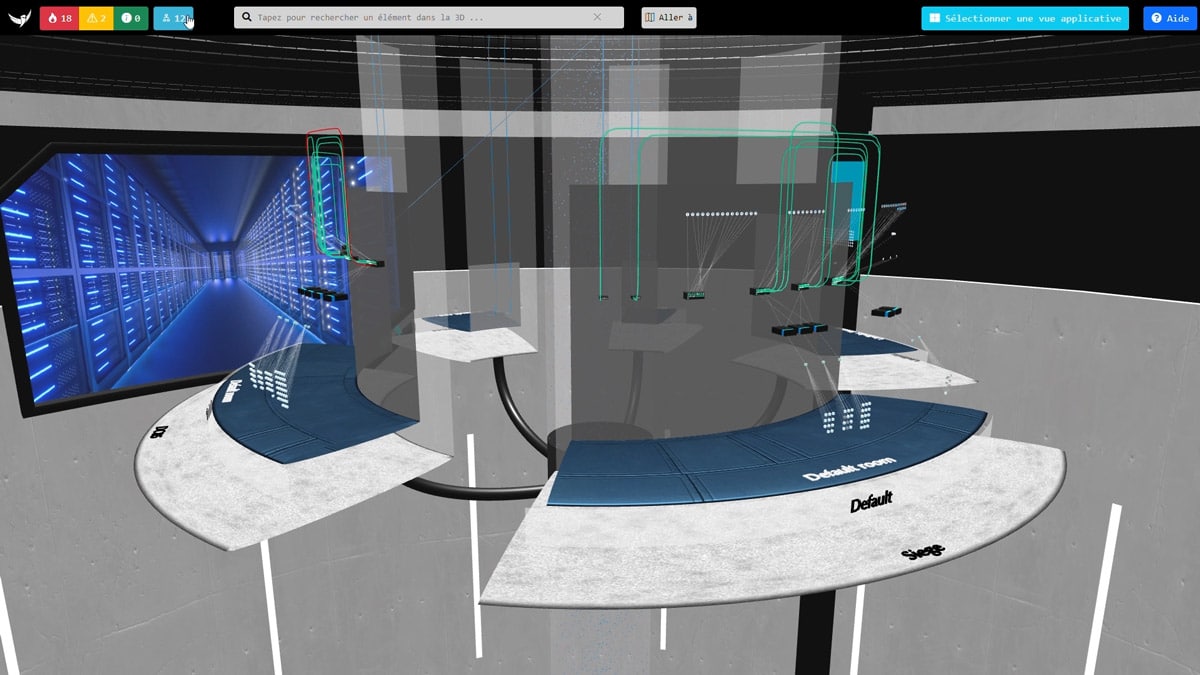
Create your 3D map in 1 click
Deploy the SHWETT probe and start monitoring and managing your infrastructure from a unified 3D view.
Free 14-day trial.
Leave a Reply